

Nikon Digital Camera Lenses
Find the right lens for your camera
DSLR and mirrorless cameras are capable of beautiful, jaw-dropping image quality, but to truly harness this power, you need to pair your camera with the right camera lens.
Ted’s cameras stock a wide range of camera lenses that will make it easier to fill up your portfolio with great photographs, no matter what field you are interested in. Whether you’re looking for a portrait lens, macro lens, or lens for landscape photography, the perfect lens is waiting for you at Ted’s Cameras.
How to choose the right lens for your camera?There is no one-size-fits-all solution to choosing the right lens for your camera - different lenses are suitable for different tasks and applications. Here are some of the most common camera lenses:
- Wide-angle lens. These lenses provide a wider field of view, meaning that you can fit more in the scene without having to step too far back. They’re the best lens for landscape photography, and are also commonly used to capture interiors, large group shots, scenery.
- Standard lens. Standard lenses are perfect for most uses and take up the place of multiple lenses. They make great travel camera lenses and are perfect for everyday use.
- Telephoto lens. Telephoto lenses allow you to get a closer view of distant objects without having to move closer. This makes them photographers’ favourite lenses for wildlife photography and sports photography.
- Macro lens. If you’re photographing bugs, flowers, or even food, macro lenses are the best lens for all of your close-up shots.
- Fisheye lens. The perfect lens for creative photos, these ultra-wide angle lenses provide exaggerated perspectives. Fisheye lenses are common for photographing extreme sports, dramatic landscapes and more.
- Tilt-shift lens. These lenses keep lines straight and free from distortions, and are a favourite for architectural photography.
For more guidance on how to choose the best lens for your camera and photography style, check out our full camera lens guide.
What’s the difference between prime and zoom lens?The difference between prime and zoom lenses is that prime lenses provide one focal length, and zoom lenses provide multiple focal lengths between two points. While zoom lenses are ideal for convenience, prime lenses are generally considered sharper and have brighter maximum apertures for better low-light performance and bokeh.
Should you pick a prime or zoom lens? Which one is better? This debate will never be decided! Thankfully, you don’t have to choose. The best camera lens kit includes a combination of carefully selected zooms and primes, and Ted’s stocks a large range for all mounts.
Which lens fits my camera?With many major brands having multiple different mounts for their mirrorless and DSLR cameras, you may ask yourself which lenses are suitable for your camera. Ted’s friendly and knowledgeable staff are not just able to recommend a lens that will help you become a better photographer, they can also make sure you won’t experience any technical issues or kinks when you take it home and mount it on your camera.
We stock Canon EOS lenses, Nikon lenses, Pentax mount lenses, and Sony lenses. We also stock Sigma lenses and Tamron lenses for most DSLR and mirrorless mounts.
Be sure to check out our blog for the latest lens recommendations and product roundups, and take a look at our lens buying guide if you want to find out more about lenses.
 Click HERE to read the full article.
Canon EF Lenses
Canon EF-S Lenses
Canon RF Lenses
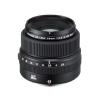
Fujifilm G Lenses
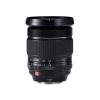
Fujifilm XF Lenses
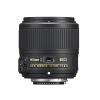
Nikon F Lenses
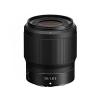
Nikon Z Lenses
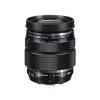
Olympus OM System Lenses
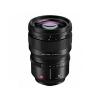
Panasonic L-Mount Lenses
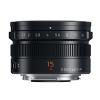
Panasonic Lumix G Lenses
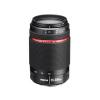
Pentax Lenses
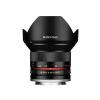
Samyang Lenses
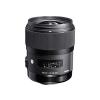
Sigma Lenses
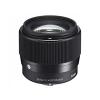
Sigma L-Mount Lenses
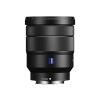
Sony Alpha Lenses
Tamron Lenses
Tokina Lenses
Zeiss Lenses
Teleconverters
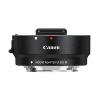
Lens Adaptors
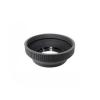
Camera Lens Accessories

Telephoto Lenses
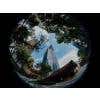
Fisheye Lenses

Landscape Lenses
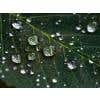
Macro Lenses

Portrait Lenses

Travel Lenses

Wide Angle Lenses

Zoom Lenses
Laowa Lenses
Viltrox Lenses