


Juxtaposition is a common term that is used in many art forms, from painting and writing to music, sculpture and more. Chances are, even if you are a beginner you have already used it in some way in your photography.
But what is it?
As you have an interest in photography, you are probably aware of the word contrast being used to describe the variation of light within your image being used to create definition. Juxtaposition similarly creates definition, but instead of using contrasting light, it involves the contrast of two subjects or objects.
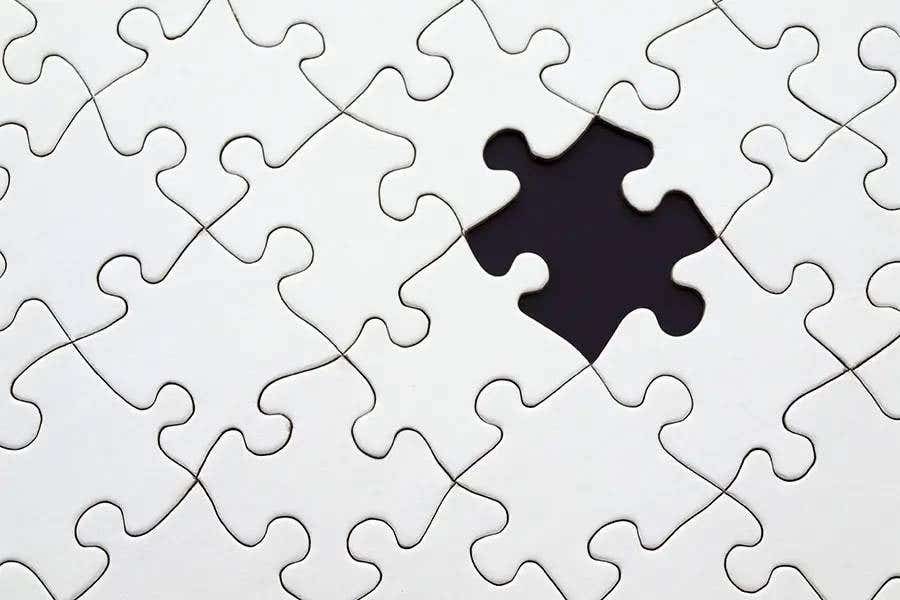
For a successful juxtaposition to occur you need:
- At least two subjects, objects or concepts within your image
- A similarly strong presence of the juxtaposed objects, so the viewer's eyes are drawn to both
- Visual contrast between the objects
This last note is a photographer's chance to shine, using anything from colour, texture, size or scale, perspective, mood, or placement to create this visual contrast. This contrast can even come in the form of irony. Below we take a look at some of the popular ways that juxtaposition is used within photography.
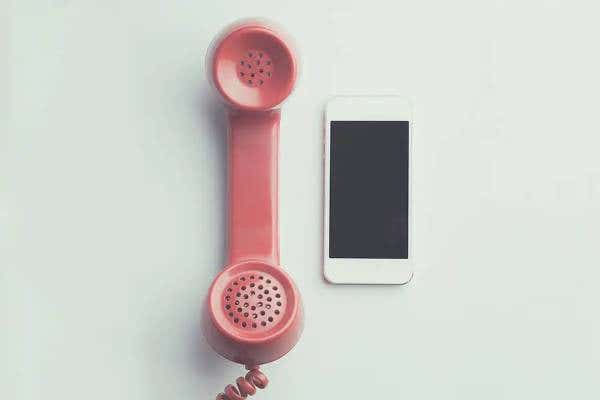
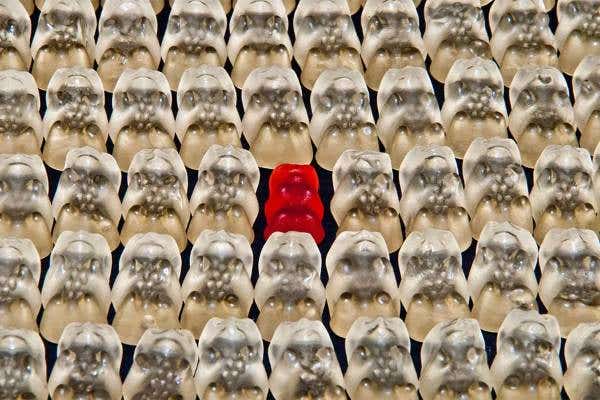
Juxtaposition of Colour:
Every photographer needs to develop an understanding of colour if they wish to create successful images. For a deeper dive into how colour works in photography, our complete guide to colour theory is an essential read. This is even true of photographers who shoot exclusively in black and white, as different colours will react differently with your film and will result in different tones.
Colours that are complementary to each other will often be at opposite ends of the colour wheel, including red with green, blue with yellow etc. Depending on what you are trying to achieve with your photography, you should aim to use these contrasts of colour to your advantage, whether that means using colours which relate to each other harmoniously or jarringly.
Take a look at a favourite photograph of yours, either by you or another photographer and consider the different colours throughout the image and how they play off each other.
Juxtaposition of Size:
One of the most popular and obvious uses of juxtaposition by professional and beginner photographers alike is the use of comparative size between two or more objects in an image.
An example of this, and something you would have seen thousands of times is a human standing in the foreground of an image before a large natural wonder in the background, such as a mountain range. The differences in size between these two objects as well as their distance between each other is the ideal way of drumming home just how momentous the natural world is and conversely, how slight we are as people. Conceptually this can be stretched to proving how insignificant our stresses and worries are.
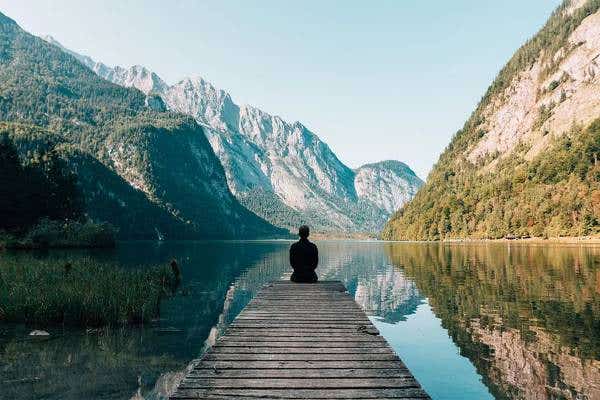
There are limitless examples of this type of contrast, with professional photographers becoming more adept at using their skill set to develop and emphasise this contrast at their will.
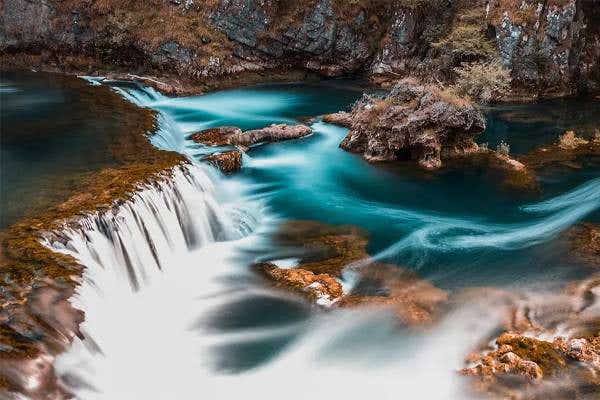
Juxtaposition of Form:
A broader use of the juxtaposition technique and one which is perhaps less obvious is the contrast of forms, such as sharp and round, soft and hard and spiky and smooth. Texture plays a central role in this type of contrast. For practical tips on capturing these differences effectively, see our guide on how to photograph textures.
"Soft and Hard" can sometimes occur in the natural world, such as waterfalls over rocks, or it can be seen in the interaction between the natural and manmade world, such as a flower blossoming through the cracks in the pavement. Again, a professional photographer will use various techniques and aspects of juxtaposition to heighten these contrasts.
"Smooth and Spiky" is a common example of juxtaposition that you would have seen used extensively and often to dramatic effects, such as rose petals and thorns, or the spiky bones of an animal laying on the smooth and wind-blown sands of the desert.
After reading through these common techniques of juxtaposition that we have highlighted you have probably noticed some that you have used previously in your own photography.
Next time you are out shooting, be mindful of these contrasts of subjects and objects within an image and aim to use them consistently to your advantage, to develop a more powerful and eye-catching body of work.
Juxtaposition in Photography: A Simple Definition
In photography, juxtaposition means placing two or more contrasting subjects side by side within the same frame to create a visual relationship between them. The word comes from the Latin juxta (meaning 'next to') and the French poser (meaning 'to place'). When used intentionally, juxtaposition encourages the viewer to compare the two elements and draw their own meaning — whether that's irony, harmony, tension, or humour. Unlike simple composition rules such as the rule of thirds, juxtaposition is about meaning as much as aesthetics. It's one of the most powerful storytelling tools available to a photographer, and it works equally well in street photography, portraiture, landscape, and documentary work.
Examples of Juxtaposition in Photography
Understanding juxtaposition is easier with concrete examples:
- Old vs. New: A crumbling heritage building reflected in the glass facade of a modern skyscraper.
- Rich vs. Poor: A luxury car parked beside a weathered street vendor's stall — a classic of street photography. If this style of image appeals to you, our street photography tips and techniques guide will help you find and capture these moments.
- Large vs. Small: A child standing beside an enormous piece of machinery or architecture to emphasise scale.
- Natural vs. Man-Made: A single wildflower growing through a crack in concrete.
- Light vs. Dark: A brightly lit subject against a deep shadow background, combining tonal contrast with conceptual contrast.
Each of these pairings creates instant visual tension that draws the viewer in and invites them to think beyond what they see.
Juxtaposition vs. Contrast: What's the Difference?
Photographers often use contrast and juxtaposition interchangeably, but they are not the same thing. Contrast in photography typically refers to the difference in tones, brightness, or colour within an image — it's a technical quality. Juxtaposition is broader: it's a compositional and conceptual technique that uses contrast (of scale, mood, texture, meaning, or subject matter) to create a narrative. You can have high contrast without juxtaposition — for example, a black-and-white portrait with dramatic lighting. But strong juxtaposition almost always contains some form of contrast. Think of contrast as the tool, and juxtaposition as the intention behind how you use it. Mastering the difference will sharpen both your eye and your storytelling as a photographer.


