


Storm Photography: Settings & Tips | Ted's Cameras
Storm photography covers a wide range of dramatic weather events, each presenting its own creative and technical challenges. The main types include:
- Thunderstorm and lightning photography — Capturing electric bolts across dramatic skies using long exposures and manual focus.
- Rain and dark sky photography — Shooting heavy rainfall, moody cloud formations, and the eerie light that precedes a storm's arrival.
- Snow storm photography — Documenting the aftermath of blizzards and snowfall, focusing on textures, landscapes, and fine detail.
- Supercell and cloud photography — Photographing towering supercell formations and rotating wall clouds for dramatic landscape shots.
Each type requires slightly different settings and preparation — all of which are covered in detail below.
Table of contents
- What is storm photography?
- Storm photography tips
-
Storm photography settings
- Basic storm photography settings
- Lightning storm photography settings
- A special note about snow storm photography
What is storm photography?
Storm photography is the art of capturing nature's raw power and beauty during severe weather events. It's a thrilling and challenging type of photography that requires skill, courage, and a love for the dramatic — having the right camera gear helps too!
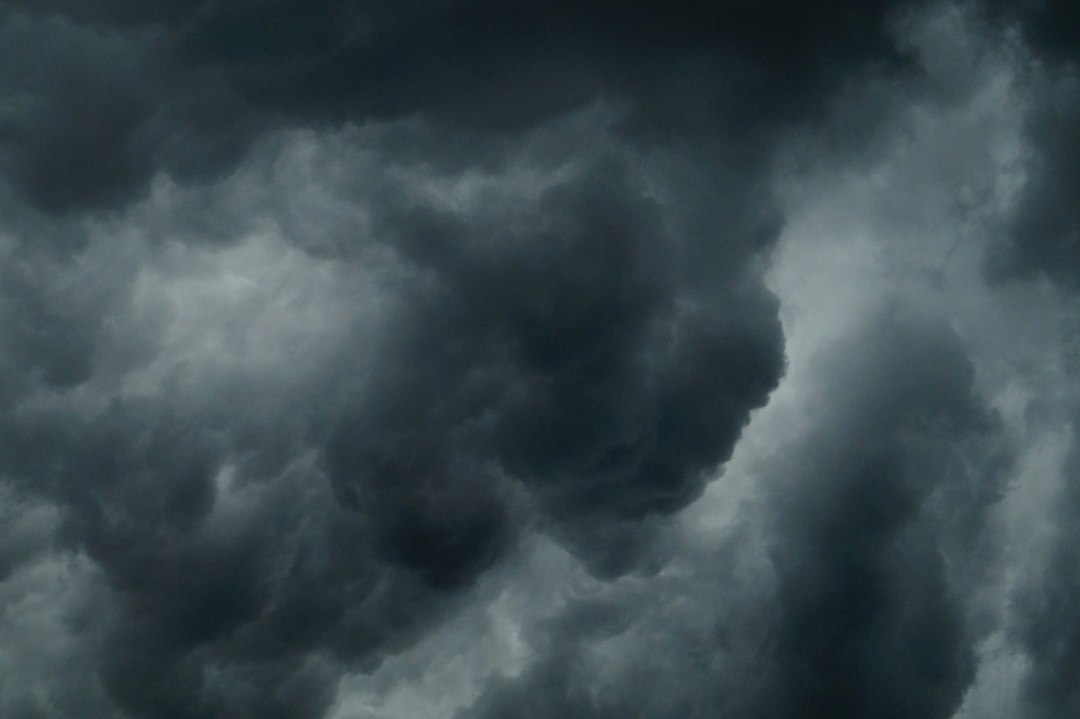
Photo by Anandu Vinod on Unsplash
Let's start with some storm photography tips so you can be prepared to capture stunning images next time you spot a dark change in the weather forecast.
Storm photography tips
The first thing to consider when embarking on storm photography is your safety. Storms can produce dangerous situations, and while great storm images are wonderful to have in your portfolio, it's not worth risking your well-being to capture them. Here are some handy tips to get you started.
- Research and plan — Study weather patterns and choose safe locations to capture the storm. While TV news is one way to be notified of an approaching storm, a smartphone weather app will give you more detailed information including intensity, rainfall amounts, and timing.

- Gear up — Storm-friendly photography equipment includes weather-sealed cameras and lenses, dedicated camera rain covers such as this Manfrotto option, and spare batteries. You don't want to pause to recharge during a storm.
- Use a tripod — A tripod is the best way to stabilise your camera and capture sharper images. If you need help choosing a model, read through our guide to the best tripods for photos and video.
- Experiment with exposure — Conditions can differ drastically from storm to storm, so don't be afraid to experiment with different exposure settings to capture the storm's intensity. See the settings section below for guidance.
- Consider black and white — Black and white photography can add a dramatic and timeless feel to storm images.
Storm photography settings
To capture the dramatic beauty of storms, understanding the right camera settings is crucial.
Basic storm photography settings

- Aperture — Use a wide aperture (f/2.8 or lower) to blur the background and focus on the storm.
- Shutter speed — Experiment with different shutter speeds to capture the movement of the storm. Don't be afraid to use bulb mode, which lets you hold the shutter open for as long as needed to create the right exposure.
- ISO — Keep ISO low to reduce noise and maintain image quality, raising it only if necessary to achieve a good exposure. If you're new to this setting, our beginner's guide to ISO explains how it works and when to adjust it.
Lightning storm photography settings
Lightning is a magical subject and requires your camera to be set up and ready to fire at a moment's notice. Here are some basic settings for good lightning photography.
- Use manual focus — Your autofocus system will struggle to find a focal point during the flashes of a lightning storm, so set focus to manual and dial it to infinity to avoid hunting and blurry shots. For a deeper look at when to switch between the two, see our autofocus vs. manual focus comparison.
- Aperture — A moderate aperture of around f/5.6–f/8 is best for lightning photography. This keeps everything in focus and gives you room to experiment with shutter speed without overexposing.

- Shutter speed — Long exposure photography pairs perfectly with lightning; with the shutter open for a longer period, you'll have greater success capturing lightning flashes while also recording detail in darker areas for maximum impact. For everything you need to know about the technique, see our guide to long exposure photography.
A special note about snow storm photography

With snow photography, you may not be shooting during the storm itself, but rather capturing its remnants. It's still an important type of weather photography that requires its own unique skill set and considerations.
- Dress warm — Don't think only about photography when heading out in the snow — consider your own comfort too. Wear layers of warm clothing and waterproof gear to stay comfortable.
- Use a lens hood — A lens hood helps prevent snow from landing on your lens and reduces reflections and flare, improving contrast in your images.
- Consider polarising filters — Polarising filters reduce glare and enhance the contrast of snow scenes.
- Capture the details — Look for close-ups of snowflakes, snow-covered landscapes, or other unique elements that illustrate the impact of the latest snowfall.
By following these tips and experimenting with different techniques, you can capture stunning storm photographs that showcase the power and beauty of nature. Browse our range of weather-sealed cameras and tripods online, or visit your local Ted's Cameras store for expert advice.


