


Birds are fluttering around us all the time. If you're interested in learning more about the birds that visit your backyard, or are willing to travel to see a rare breed of bird - you're not alone. Birdwatching and bird photography are popular hobbies, and we'll let you in on a secret: You live in one of the best countries in the world to enjoy them!
Here's our beginner's guide to birdwatching in partnership with Daintree Ecolodge.
Familiarise yourself with birds
Before heading off on a birdwatching adventure, read up about our feathered friends. There are plenty of books and apps on offer that list the various species of birds, where they fly, and what they look like. It's important to find a field guide that's tailored to your country. For example, in Australia, AusBird is a directory of birds that are native to our shores, as well as those that migrate here each year.
While you're studying birds, pay special attention to birds in your area. That way, you can keep an eye out for them every day without needing to wait for your next birdwatching mission! Start making notes of the birds you've seen and the ones you're yet to spot.
Once you've identified a bird, write down its habits. What does it sound like? What does it eat? How does it move? By doing that, you'll soon be able to distinguish between 'normal' and 'unusual' behaviour.
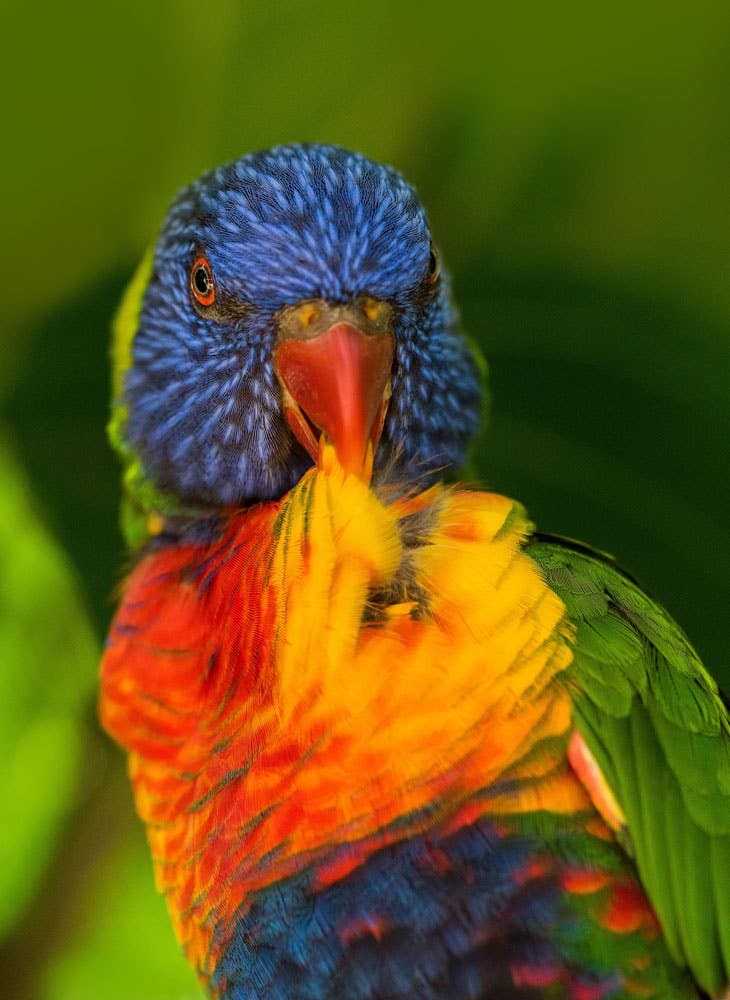
Seek out the birds
Now that you've brushed up on your bird knowledge, it's time to get to the 'watching' part of the program. But where to go birdwatching?
Start locally. Wetlands and parks are go-to birdwatching spots. If you sense there are birds around, try to find a hidden vantage point. The best birdwatchers are those who stay in the background and don't disturb the birds and other wildlife. The time of day, time of year and weather can influence the type and amount of birds you see, so it's worth going back to the same spot a few times.
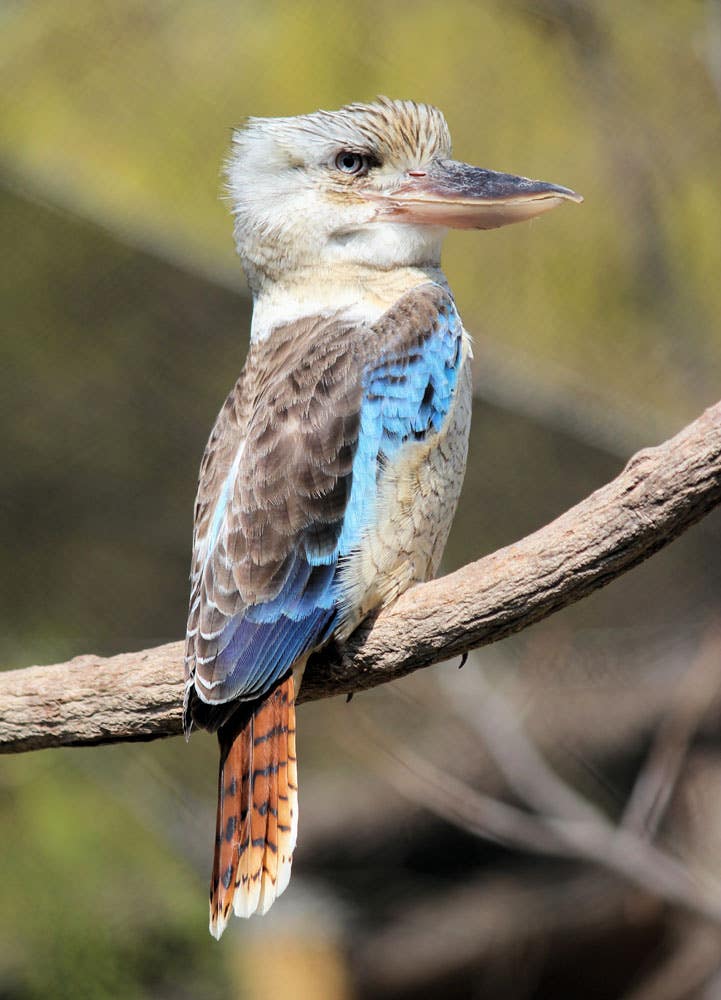
When you're ready to branch out, consider booking a trip to one of the most famous birdwatching sites in Australia. For instance, the Daintree Rainforest is home to 430 species of birds 13 of which can't be found anywhere else on earth. The World Heritage-listed site stretches across 1,200 square kilometres of tropical rainforest, and it's a birdwatcher's idea of heaven. You could spend days exploring the Daintree and listening to the birds sing. The Daintree Ecolodge is perched on the fringe of the rainforest, making it the perfect base for your birdwatching adventures. The resort also runs guided tours, where you'll learn all about the whimsically-named native birds, such as the Cassowary, Wompoo Fruit Dove, Lovely Fairy Wren and Black Bittern.
Pro Tip: If the early bird gets the worm, then the birdwatcher needs to be up even earlier! Many birds sing at dawn and dusk, when the air is cooler and their song carries further. Use your field guide to find out which birds are early risers.
Invest in a pair of binoculars
You only need two things for birdwatching: A field guide and a good pair of binoculars. They'll give you a closer look at faraway flocks of birds, and zoom up on the detail that makes them so beautiful.
Binoculars come in a range of shapes and sizes. Ideally, buy a pair of sturdy binoculars with a magnification of 7-8x. This will make it easier to spot small subjects, like birds. Binoculars with higher magnifications, such as 12x or more, are extremely hard to hold still.
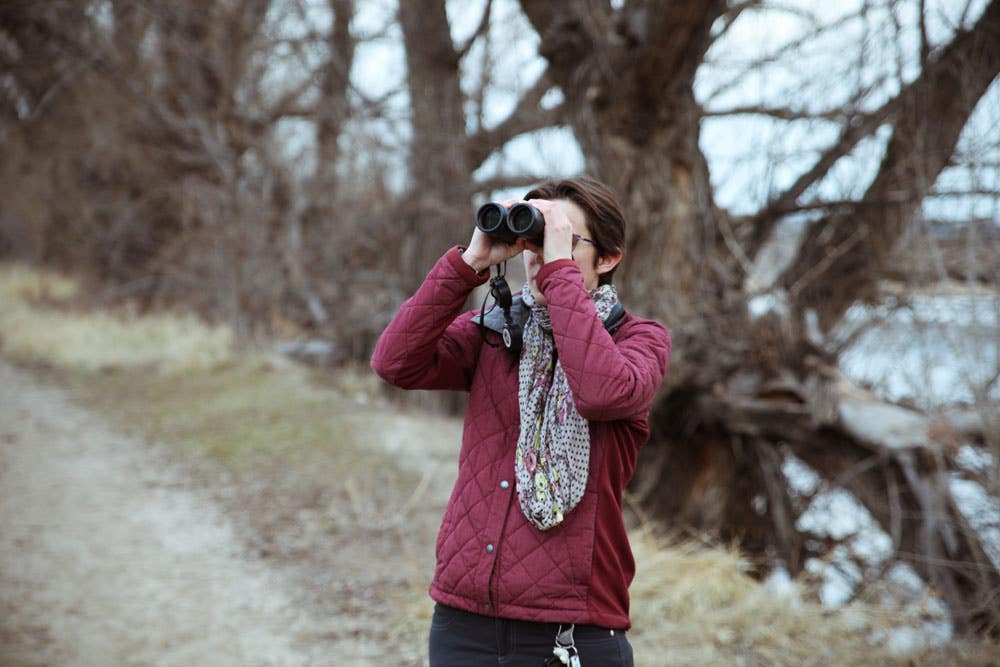
As for the lens, go for binoculars with a large objective lens, like 42mm. These let in plenty of light, so you'll end up with a clear, bright image.
Ted's Top Picks:
Dress the part
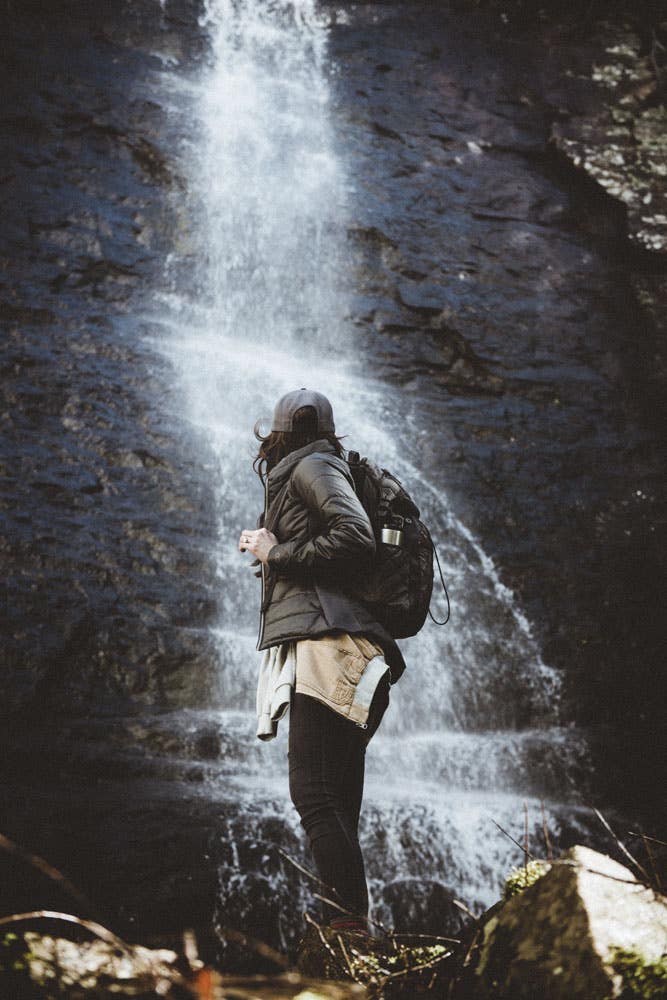
When you're out in the field, wear clothes in subtle, muted colours so you blend into the natural surroundings. Move quietly to avoid scaring the birds off. Even if it's warm out, wear long sleeves and a hat to protect yourself from being scratched by branches and twigs.
These are the birdwatching essentials:
- Waterproof hiking boots
- Warm socks in winter, and breathable socks in summer
- A weather-appropriate jacket
- Hiking pants or shorts
- Gloves
- Hat
- Sunglasses
Chances are, you'll be heading into the wilderness, and you'll need to be prepared for anything. It's also worth considering camera insurance for your gear before heading into rugged outdoor environments where accidents can happen. Bring a comfortable backpack, and pack a portable charger or powerbank, water, an umbrella, a pocket torch, and a cleaning cloth for your binoculars.
Birdwatching for Beginners: Where To Start
If you're brand new to birdwatching, the good news is that you don't need expensive gear or expert knowledge to get started. Birdwatching for beginners is all about slowing down, tuning in to your surroundings, and learning to observe. Start in your own backyard or a local park — familiar environments are ideal for building confidence in identifying species. Download a free bird identification app like Merlin or AusBird to help name what you're seeing. Keep a simple notebook to log each sighting, including the date, location, and behaviour. The more you watch, the faster your recognition skills will develop. Remember, every experienced birdwatcher started exactly where you are now.
Choosing the Best Bird Watching Camera
A good bird watching camera can transform your experience, letting you capture stunning detail from a safe distance without disturbing wildlife. For a deeper dive into camera settings and gear specifically optimised for birds, check out our complete guide to bird photography. For beginners, a bridge camera or an entry-level DSLR paired with a telephoto lens (300mm or more) is an excellent starting point. See our roundup of the best telephoto lenses for every camera system to find the right reach for your setup. Look for fast autofocus and continuous shooting modes — birds move quickly, and you'll want to keep up. A camera with image stabilisation is especially useful when shooting handheld in the field. Mirrorless cameras are increasingly popular for birdwatching thanks to their compact size and advanced tracking systems. Our guide to the best mirrorless cameras for fast-moving subjects is a great resource for comparing top tracking-focused models. At Ted's Cameras, we stock a wide range of bird watching cameras suited to every budget and skill level, so you can find the right fit for your birdwatching adventures.