
Accessories
Complete your photography kit with camera accessories
While our range of digital cameras are capable of producing great results straight out of the box, often it takes the right accessories for them to really shine. Simple and affordable photography accessories can be all you need to instantly improve your photos. At Ted’s Cameras, we stock all the camera accessories you need to get the most from your digital device and keep it functioning properly for years to come.
Essential accessories you need in your camera bagThere are some accessories that you shouldn't leave home without, such as spare batteries and memory cards. They can help you out of a jam and keep your photoshoot going for longer, so you can capture more photos and videos.
At Ted's, we firmly believe that mounting your camera on a tripod is a great way to improve your photos and videos. Not only do they keep your shots blur-free, they also encourage a greater level of care when composing. To really enhance your handheld shooting, consider purchasing a gimbal; they are suitable for everything from DSLR and mirrorless cameras, to your humble smartphone. Some of these accessories will soon become must-have camera accessories for travel.
Shop camera accessories for YouTube videosInterested in content creation? Be sure to pair your digital camera with an external microphone to improve the audio quality of your vlogs. You should also consider an artificial light source, so you can create at any time of the day and produce bright and clear content.
Camera accessories to keep your camera gear in good conditionTo keep your gear safe from harm and functioning at its best, proper clean and care is essential. Forego the back of your shirt and pick up a camera cleaning kit - they are hard on dirt and dust, but gentle on camera screens and lenses.
Lenses themselves can be provided extra protection by digital camera filters, which are also available for creating stunning effects with your interchangeable lens camera.
Speaking of care, a carefully selected camera bag is a must-have. Not only does it keep your expensive gear safe from harm during travel and storage, but it allows you to keep your accessories close by so you can turn to them when needed.
Shop GoPro accessories and smartphone camera accessoriesIf you are the adventurous kind, take a look at our range of GoPro accessories and GoPro mounts that make it possible to wear your GoPro virtually anywhere. Shop our GoPro housings so you can take your camera underwater and capture stunning underwater photos.
Smartphones are great at capturing quality content on the go. To capture even better quality photos and videos with your smartphone, shop our range of phone lenses, microphones, lighting kits and phone stands. They will boost your content to a more professional level!
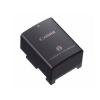
Batteries
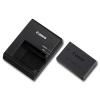
Battery Chargers
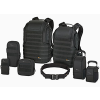
Camera Bags
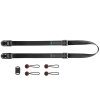
Camera Straps
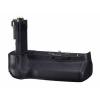
Camera Grips

Camera Film
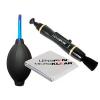
Cleaning Kits
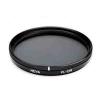
Lens Filters

DJI Osmo Accessories
Frames & Albums
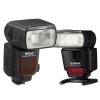
Flashes & Speedlights
Gift Cards
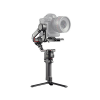
Gimbals
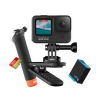
GoPro Accessories
Home Office
Ink & Paper
Instant Film
Memory Cards
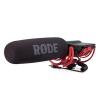
Microphones
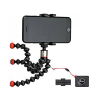
Phone Accessories
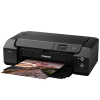
Printers
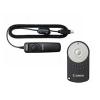
Remotes
Scanners
Lighting & LED's
Telescopes

Total Care Packs
Travel Accessories
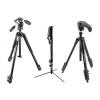
Tripods/Monopods
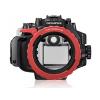
Underwater Housings

Everything Else